4 Common Applications Of Industrial Rubber Products In India

Natural rubber is derived from latex, a milky colloid produced by some plants. Almost every type of industrial rubber product available in India is made using synthetic or natural rubber. The material is engineered to meet the specific requirements of the industry. No wonder, rubber products have numerous applications in various industries scattered all over the world. If you are looking for custom rubber moulding products or precision rubber products, make sure you approach a reputed manufacturer in India.
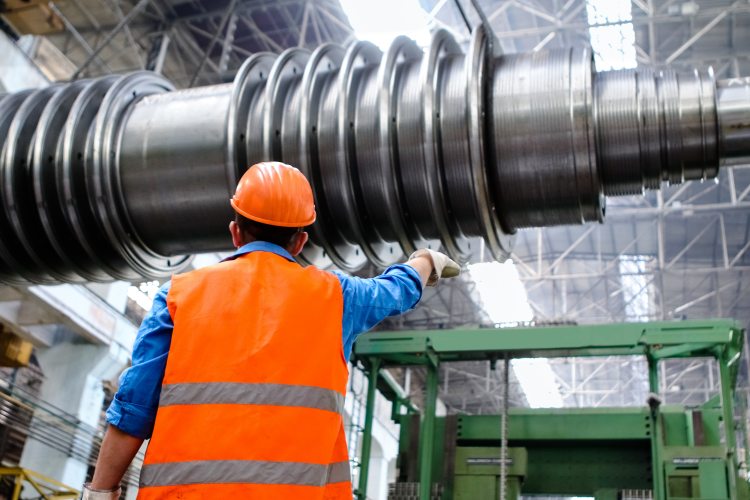
manufacturer of industrial rubber products in India

Few Industries Where Rubber Products Are Used

  • Aerospace Industry

Rubber is capable of withstanding extreme temperature and incredible stress, so they are widely used to make various aspects of aircrafts. Few common uses of rubber in the aerospace industry are pressure bladders, extrusions, silicone sheet fluoroelastomer, infusion products, tool sealant, caul sheets, compaction bags, moulded parts and re-useable silicone vacuum bags.

  • Marine Industry

Rubber is versatile and resilient which makes it suitable for various applications in the harsh marine environment. Even when exposed to wind, sea water, rain and UV rays repeatedly, they can retain their properties.

  • Metal Forming Industry

Rubber has numerous applications in the metal forming industry as the material is quite flexible. When high-quality rubber is used, the risk of surface scratches and wrinkles on metal parts reduces. Few common uses of rubber in this industry are the formation of fluoroelastomer sheet, sponge sheet, silicone sheet, fabric reinforced sheet and molded pads.

  • Electronic Industry

Since high-quality rubber parts can protect you from shocks, they are widely used in the electronics industry. Few qualities of rubber which makes them suitable in the electronic industry are durability, resilience and easy installation. They are capable of combating electromagnetic interference and resist chemical intrusion.

Since there are so many industries where rubber products are widely used, it’s time you start looking for a reputed manufacturer of industrial rubber products in India.
Know The Types Of Rubber Used To Make Industrial Rubber Products

One of the benefits of using rubber for manufacturing various products is that you can use it in its natural form. They have been used for thousands of years in various industries scattered all over India. Modern rubber products are synthetic and made using polymer (a by-product of petroleum). If you too require high- quality rubber products for your industry, first know the different types of rubber used to make industrial rubber products. This will help you choose the right material when visiting a manufacturer in India.

4 Common Types Of Rubber Used To Manufacture Industrial Rubber Products

  • Natural Rubber

It is also known as Indian rubber or gum rubber. Latex from the Hevea brasiliensis tree is used to make natural rubber. A cut is made on the tree bark and a tap inserted. The liquid latex drains into a container. They are later processed to manufacture natural rubber. Products made using natural rubber are durable and capable of handling extreme temperature. They are widely preferred by industrial rubber manufacturers because of their flexibility, elasticity and surface friction.

  • Neoprene Rubber

It is a type of older synthetic rubber and is less susceptible to degradation and corrosion. They don’t burn easily like synthetic or natural rubber and is generally used as the base material when manufacturing high-pressure gaskets, corrosion-resistant coatings, adhesives and belts. It also has good insulating and waterproofing qualities which makes it suitable for gear and equipment manufacturing. People suffering from latex-allergy, use neoprene to make dishwashing gloves.

  • Silicone Rubber

If you need rubber products which are capable of resisting extreme temperature, opt for silicone rubber. Approach an experienced manufacturer of Industrial Rubber Products in India and they will let you choose from products of various colours. Being an inert material, silicone rubber doesn’t react with most of the chemicals. They are generally used to make medical equipment like medical implants, surgical gloves and respiratory masks.

  • Nitrile Rubber

It is one of the few rubber varieties which are resistant to gas permeability, oil and heat. No wonder, the demand for nitrile rubber is always high in the automotive industry where they are used to make gaskets, engine hoses, o-rings and oil seals, among others. They are also used in the aerospace industry to seal bladders and fuel tanks.

Since you are now aware of the common types of rubber used to manufacture industrial rubber products, it’s time you choose one and visit a reputed manufacturer in India.

How The Manufacture of Rubber Expansion Joints Has Revolutionised Piping Systems

Tremors and pressure pulsation may produce vibration and movement in any piping systems. When this continuous pulsation is not absorbed by the piping system itself, a rubber expansion joint may be just what you need.

Rubber Expansion joints are designed to stabilise the trembling movement of engine parts, machinery, ducts, and pumps. Rubber Expansion joints help contain the pressure loads. They are great for balancing axial and angular stress. The new-age rubber expansion joints have also significantly cut down the associated throbbing noise and reducing sound transmission, in a great step forward. Rubber expansion Joints work great in absorbing torsional movements as well. Read on to know more about how the manufacture of rubber expansion joints has changed the way piping systems work.

Advantages of Using Rubber Expansion Joints

Reduce Vibration

Rubber expansion joints help reduce the trembling and quivering caused by equipment. One of the prime reasons why these joints are fast gaining popularity is that it can help cut off pressure pulsation and movement stresses in a piping system. These joints have the potential to reduce transmission of sound because of its particular make. The transmission of sound vibration is largely reduced. This also helps protect equipment from the harmful effects of vibration.

Reduced exhaustion

Rubber expansion joints helps ease movement stresses.  Given the innate properties of natural and man-made elastomers, these expansion joints are far less susceptible to breakdown. The flexible connectors help provide stress relief in piping systems that can occur from frequent thermal changes.  These joints capably compensate for lateral, angular, and torsional angular movements averting damage. This in turn reduces unnecessary loss of valuable plant operation time.

Minimise Heat Loss

Rubber expansion joints have been found to efficiently reduce heat loss. This helps give machinery a long lease of life. It also significantly reduces the frequent need for maintenance services.

Amazing resistance to abrasion and corrosion

An extensive variety of synthetic, natural, and specially crafted elastomers are now accessible to the industry. Joints made from fabrics with metallic reinforcements are also popular choice due to its specialised performance.  These fabrication materials are adapted to work efficiently under an extensive range of practical pressure environment as well as thermal conditions. They are designed to keep away corrosive attack and abrasion as well.

Cost-effective Installation

Rubber Expansion joints are reasonably light in weight. This largely contributes to reduction of labour costs required for installation. These elastomeric expansion joints come equipped with vulcanized rubber flanges and fabric integrated tube. This makes the use of gaskets redundant in many of the applications. However, do check the assembly instructions before installation.

Reduced Spring Rates

The inherent elasticity and suppleness of rubber expansion joints allows indefinite number of flexing to pull through the forced movements. This needs fairly low force for movement, thus preventing damage. With a small face to face length, these expansion joints offer excellent movementpotential in axial extension, axial compression, and lateral deflection. This holds true for angular andtorsional direction as well.

Rubber Expansion Joints have revolutionised the way machineries work by increasing the stability of moving parts. Now that you know its many advantages, why wait? Give your machine the power of flexibility!

Design a site like this with WordPress.com
Get started